On this page
The short answer
Rinse it in lukewarm water each time you take it out, brush it once a day with a soft toothbrush and mild dish soap instead of toothpaste, soak it once a week for 10 to 20 minutes in a retainer cleaning tablet or solution, and keep it in its case. Never use hot water.
From the AAO and KidsHealth care guides.
Cleaning retainers at home: the kit
Nothing special for the daily part. Most of it is already by your sink.
- A soft brush, only for the retainer
- Mild dish soap, not toothpaste
- Lukewarm water
- A cleaning tablet or solution
- Its case
- Optional: an ultrasonic cleaner
Kit from the AAO and KidsHealth care guides.
How to clean your retainer every day, step by step
-
Each time it’s out
Rinse it in lukewarm water
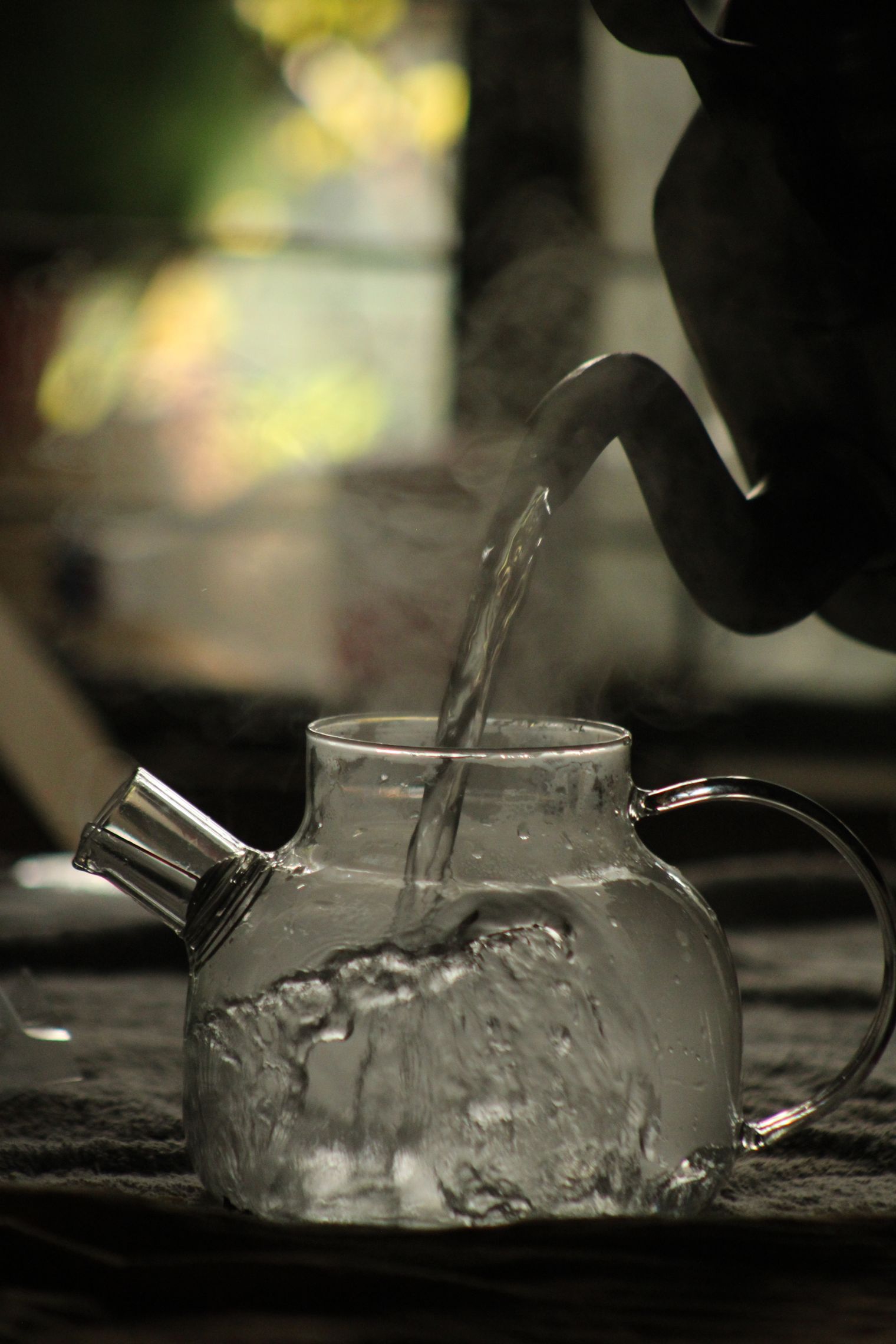
Never hot: the AAO says hot water can damage a retainer.
-
Once a day
Brush it with mild dish soap
Use a soft brush kept for the retainer. The AAO warns the abrasive particles in many toothpastes can scratch.
-
After brushing
Rinse again and keep it in its case
KidsHealth: never wrapped in a napkin, and away from pets, a hot car and anything hot.
The weekly soak: how to deep clean retainers by the label

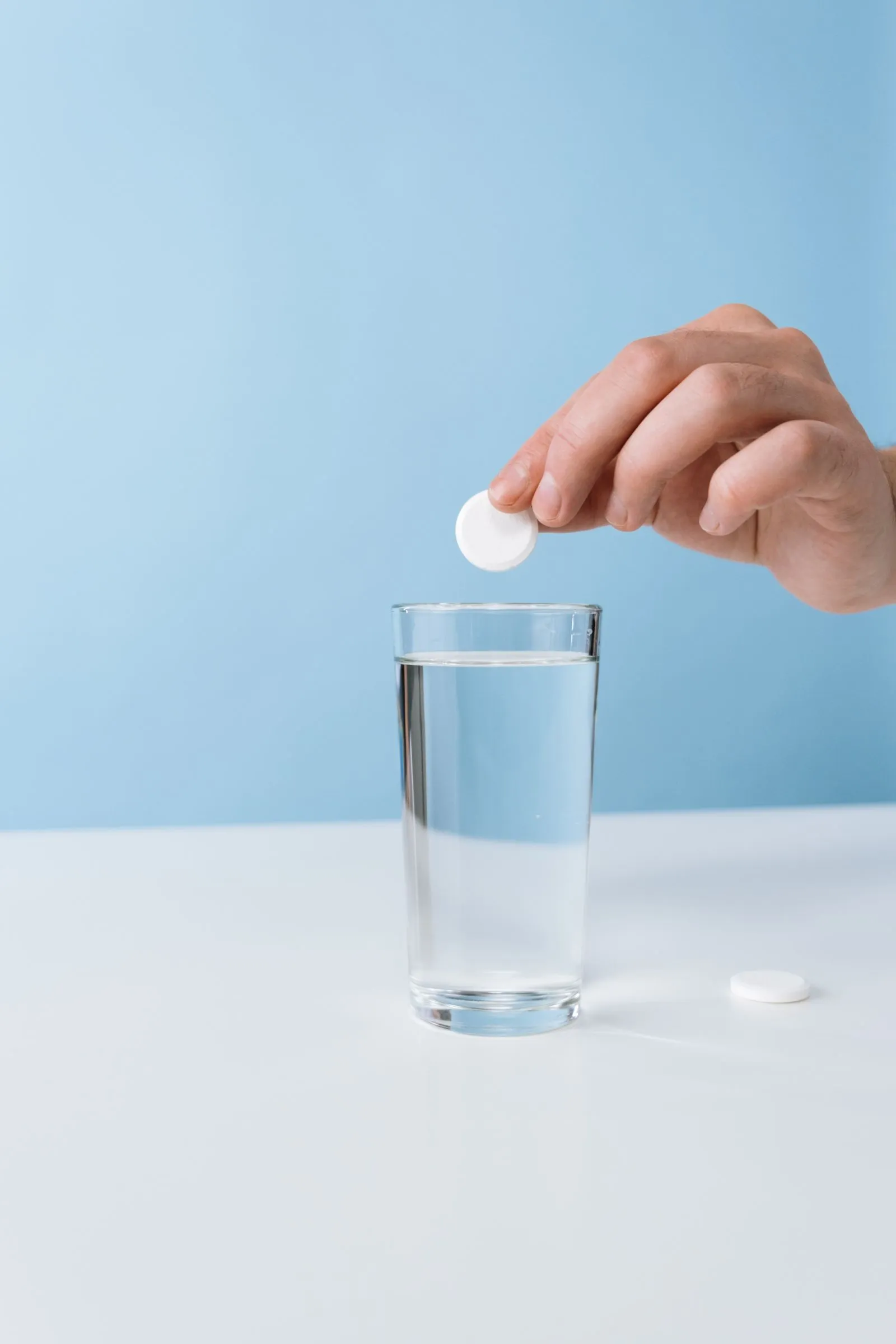
Once a week, the AAO suggests a tablet or solution for 10 to 20 minutes. Each label sets its own time and water: follow the one you use.
Rinse the retainer and your hands afterwards, and never reuse a dissolved tablet (Retainer Brite).
- 15minRetainer Brite
Warm, not hot. Wire parts: 15 minutes at most.
- 3minEfferdent Retainer Clean & Bright
Very warm, not hot, enough to cover it.
- 15+minInvisalign Cleaning Crystals
Warm, about 100 ml. Made for aligner trays.
Retainer Brite and Efferdent contain persulfates: not for anyone allergic to them. Keep tablets from children and out of your mouth; if one is swallowed, the labels say call Poison Control, 1-800-222-1222.
Retainer Brite vs Efferdent, side by sideAll tablet and crystal guides
How to clean a retainer by type: clear, Hawley or fixed
The routine above fits every removable retainer. What changes is what each type is most likely to be damaged by.
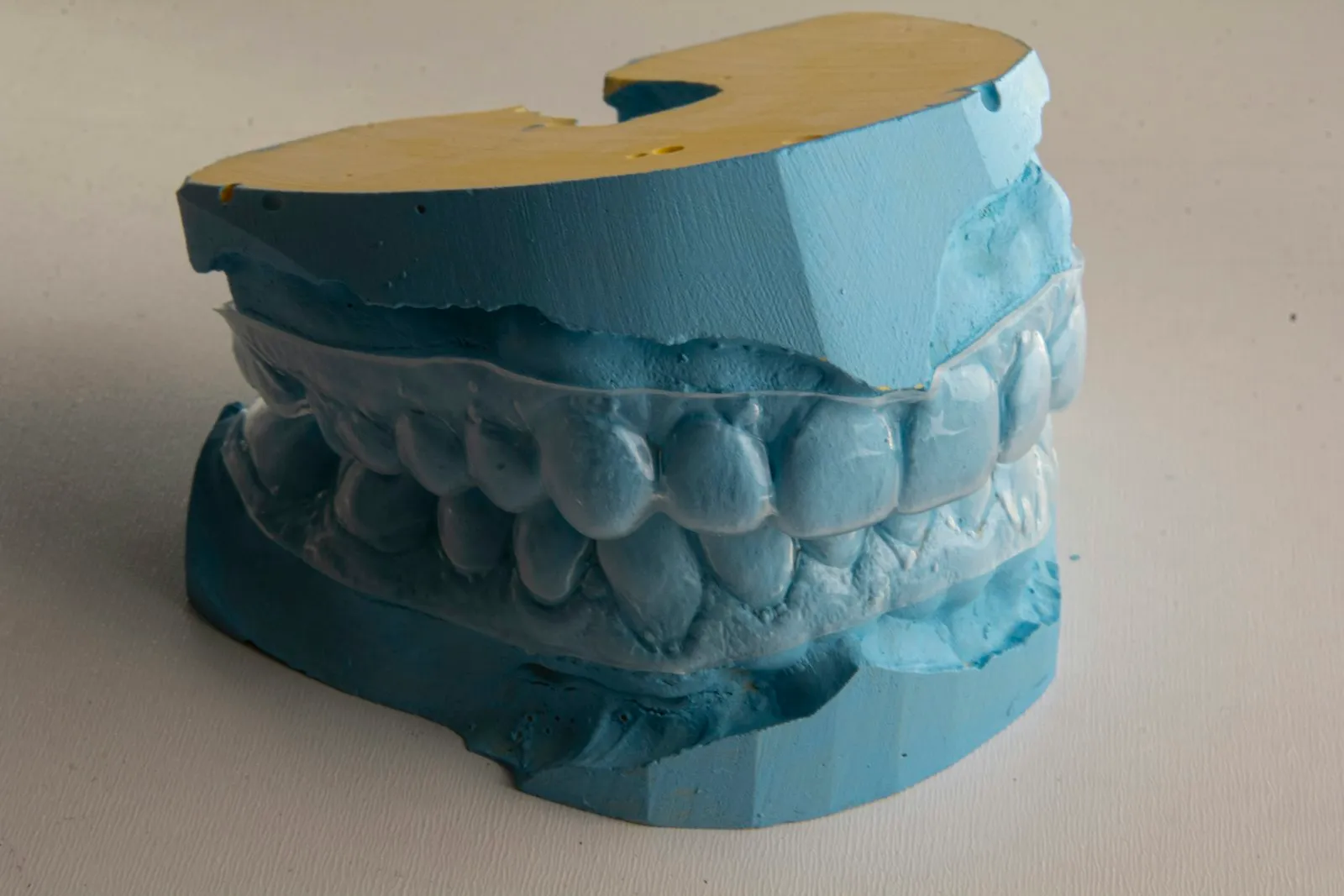
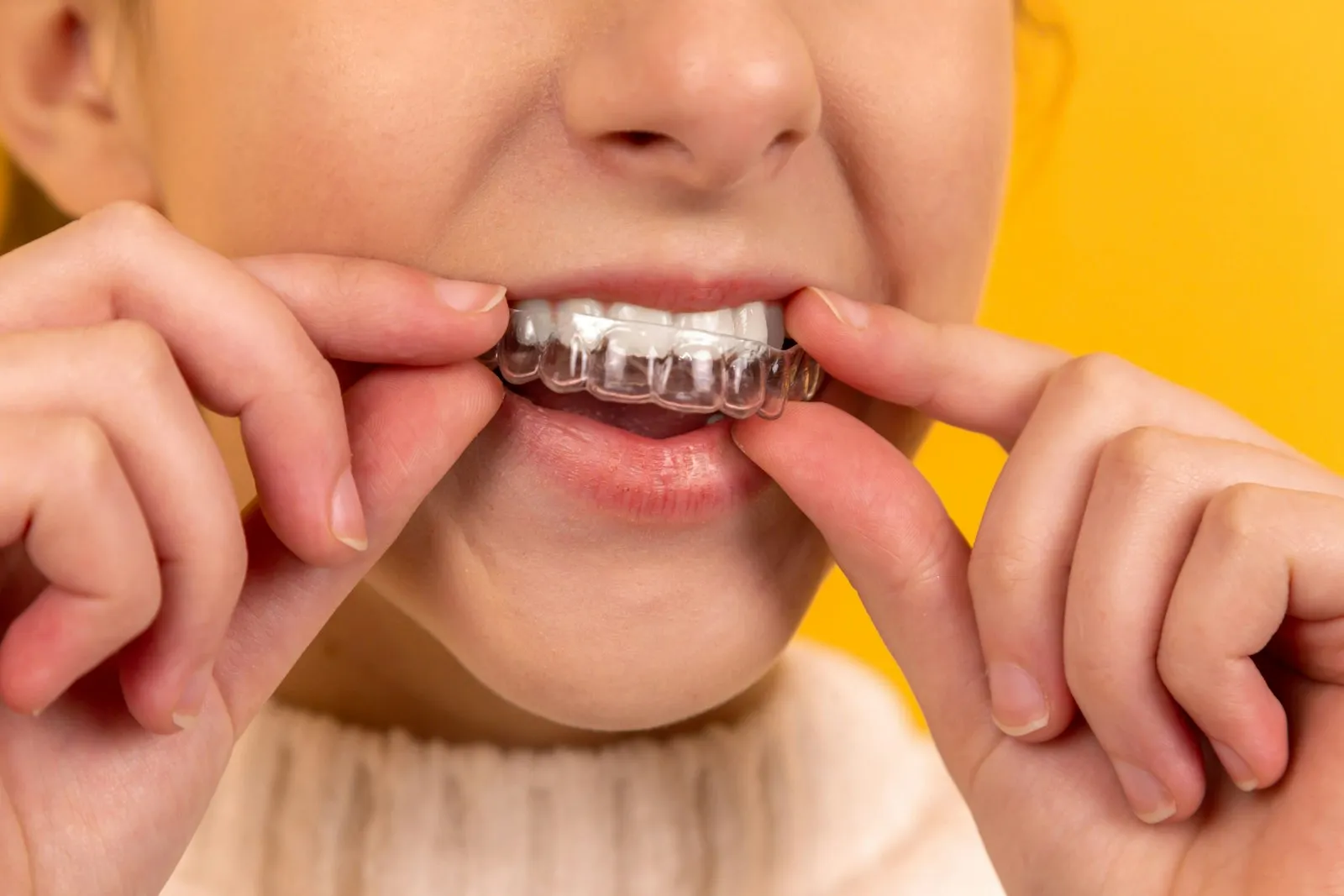
Clear plastic (Essix-type) retainers and aligners
Heat is the main risk
- The AAO says high temperatures can warp the plastic and change the fit.
- An ultrasonic cleaner with a solution is one option the AAO names.
Pacemaker? Zima says ask your physician first; Align says not to use its cleaner if you have one.
Sources: AAO, Zima, Align.
What an Essix retainer isHawley retainers (acrylic and wire)
The wire is the weak point
- Retainer Brite: soak wire appliances 15 minutes at most.
- KidsHealth: flipping it with your tongue can bend the wires.
- AAO: a bent or loose wire means stop wearing it and call.
Sources: Retainer Brite label, KidsHealth, AAO.
What a Hawley retainer isFixed (permanent) or bonded retainers
A bonded wire: nothing to take out
- Brush and floss between the wire and your teeth every day.
- Floss threaders, interdental brushes or a water flosser reach around it.
- Loose, broken or bent wire: call your orthodontist.
Source: AAO.
Permanent vs removable careStains, film or odor: peroxide, baking soda or vinegar?
For odor or stains that last, the AAO suggests a stronger deep clean before you call your orthodontist.
- A tablet soak, more oftenDo
The first step the AAO names, and its answer for odor.
- Hydrogen peroxideWith care
Diluted with water, a 15 to 20 minute soak.
- Baking soda pasteWith care
A stronger option only; abrasive particles can scratch.
- VinegarAsk first
Not in the AAO's guide. Ask your orthodontist first.
All four from the AAO's guide.
What never to use on a retainer
Sources: AAO, KidsHealth.
How to clean a retainer case, and when to replace it
- AAO: "An old or dirty retainer case can harbor bacteria, undoing your cleaning efforts."
- Replace it when it is cracked, worn or still smells after cleaning (AAO).
- The AAO gives no washing steps: follow the case maker, or ask your orthodontist.
When to call your orthodontist, or replace a retainer
Only your orthodontist can say whether it needs an adjustment or a new one. If the fit stays off, the AAO says wear a backup retainer if you have one.
Signs named by the AAO and KidsHealth.
How long retainers last- A crack or a loose wire: stop wearing it
- Warping after heat or force
- A fit not comfortable again in a day or two
- A sharp wire or edge (wax helps for now)
- Odor or stains after several methods
- Pain or discomfort for a week or more
Retainer cleaning questions readers ask
How often should you clean your retainer?
The AAO describes a rinse in lukewarm water each time you take it out, a daily brush with a dedicated soft toothbrush and dish soap, and a weekly soak of 10 to 20 minutes in a retainer cleaning tablet or solution. KidsHealth adds: clean it every day, but check with your orthodontist about how.
Can you clean a retainer with baking soda?
The AAO mentions a baking soda paste only as a stronger deep-cleaning option when odor or discoloration lasts, and it warns that abrasive particles, which many toothpastes contain, can scratch. If odor or stains persist after several methods, see your orthodontist.
Can you clean a retainer with vinegar?
The AAO's retainer-care guide does not cover vinegar, so ask your orthodontist before you try it. A lab study in The Angle Orthodontist that included a vinegar soak among eight methods concluded that no cleaning method was ideal for the clear retainer material it tested.
Can you soak a retainer in hydrogen peroxide?
The AAO describes a 15 to 20 minute soak in hydrogen peroxide diluted with water. In a lab study in The Angle Orthodontist, 3% hydrogen peroxide changed the stiffness of a clear retainer material the most of the methods tested. Ask your orthodontist if you are unsure.
Why does my retainer smell, and what helps?
The AAO says bacteria can linger if a retainer is not dried properly or has micro-cracks, and suggests a weekly soak with a retainer cleaning tablet. It adds that an old or dirty case can harbor bacteria and undo your cleaning. If the smell lasts after several cleaning methods, book a visit with your orthodontist.
How do you clean a retainer case?
The AAO says an old or dirty retainer case can harbor bacteria, undoing your cleaning efforts, and that it is time to replace a case with visible cracks or wear, or one that still smells after cleaning. Its guide gives no washing steps for the case itself, so follow the case maker's directions or ask your orthodontist.
Can you use mouthwash to clean a retainer?
The AAO says it is best to avoid soaking a retainer in standard mouthwash, because many contain alcohol or other harsh ingredients that can weaken retainer materials or cause discoloration. It mentions an alcohol-free rinse only for brief use.
Every step names its source. We don't lab-test, and nobody who writes here is a dentist. How we pick